

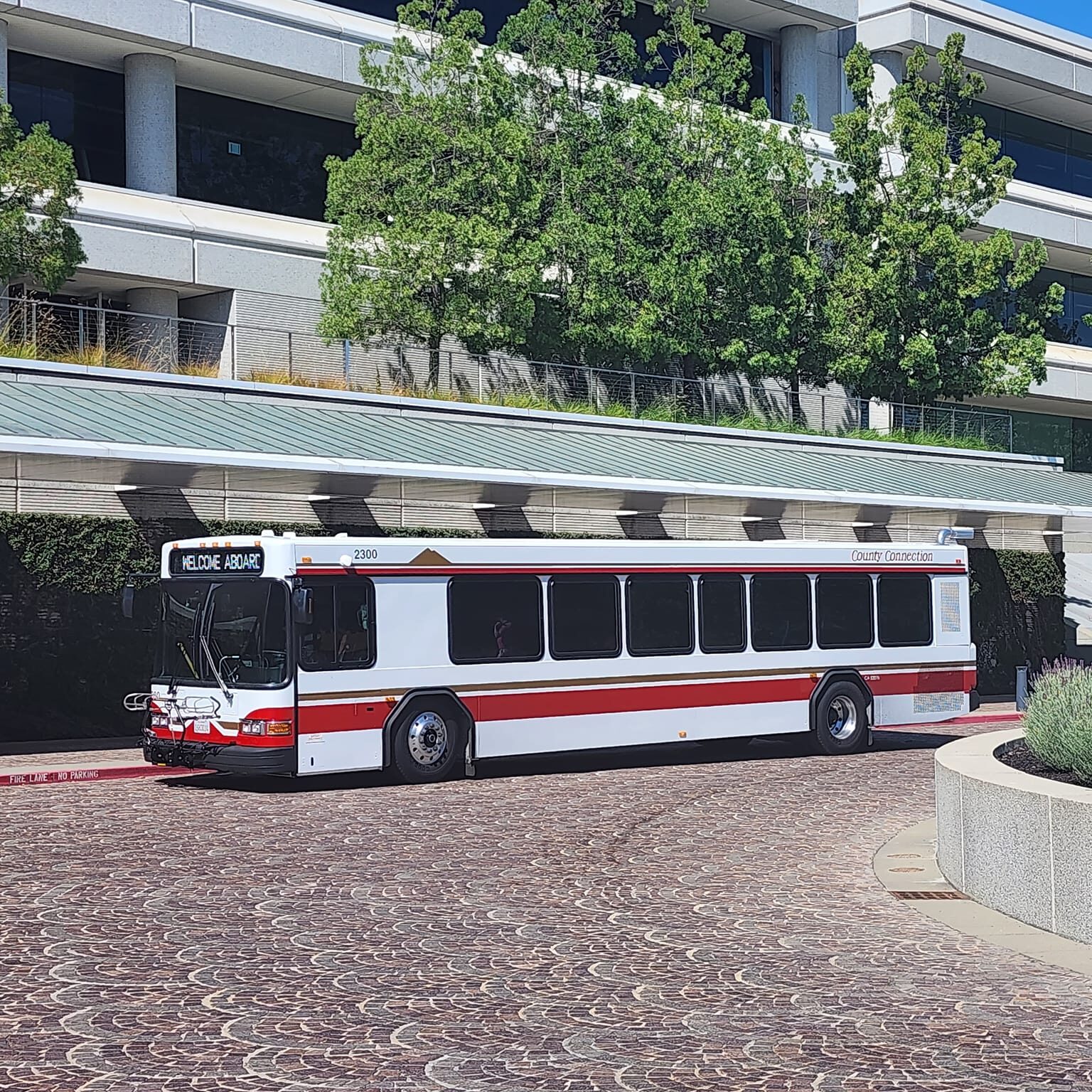
We are often asked why we don’t use our shorter buses systemwide during the quieter periods of the day, or on routes with lower ridership, to save money or fuel. The answer is more complex than it might seem!
With very few exceptions, every route has at least one or two times a day when the bus is full, leaving room only for people to stand. On some routes this may be during the traditional morning or evening commute period, while on other routes it may be when a nearby school starts or ends its day. As much as possible, we use buses large enough to provide a seat for every passenger during these busy periods.
For us to swap out one sized bus for another, we would need to take the first bus and its operator out of service to drive back to our facility in North Concord, check out a new bus, and drive that one back to its route. This can be very time-consuming. In addition to the extra time and mileage for the coach exchange, we would need to send out another bus and driver to cover the route during the switch. And remember that this would need to be done multiple times each day for most routes, and we would need to buy a lot more buses!
The good news is that it costs us almost the same to operate a bus regardless of its length. Transit buses are generally available in four different lengths: 30, 35, and 40-foot standard buses, and 60-foot articulated buses (the ones that bend in the middle like an accordion). Two-thirds of County Connection’s fleet of 125 buses are 40-footers, with the rest being 30 or 35 feet long and used on routes with narrow streets and sharp curves.
Every bus needs a driver, and every bus has the same engine, two doors, and six wheels. The purchase price is also very similar, with a 40-foot bus costing only 6% more than a 30-foot bus, and fuel mileage is almost identical regardless of the length of bus. Don’t forget too that the more people who ride the bus, the fewer cars on the road and less fuel used. In short, keeping standard-sized buses on the road ensures consistent service and efficiency throughout the day. So next time, take the bus!
Andrew Smith is the Director of Planning & Marketing. Do you have question about County Connection? About our buses? About our routes and service? Email asmith@cccta.org and your question might be included in a future issue of our monthly newsletter, Headways.